Horse Colic Season: Fall Care Tips for Antelope Valley Owners |
How fall horse care and steady water intake help prevent impaction colic |
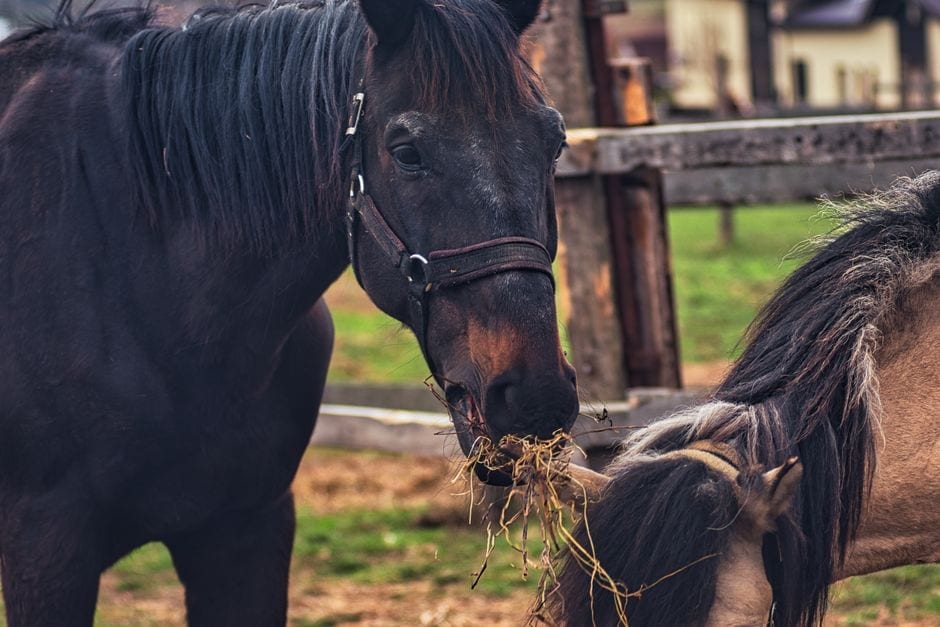
Fall in the Antelope Valley brings a welcome break from triple-digit heat, but horse owners know the cooler months carry a quieter risk.
Veterinarians see colic calls climb every autumn, and the high desert is no exception.
Colic is not a single disease but a sign of abdominal pain, and it remains one of the leading causes of death in horses.
The good news is that many fall cases trace back to a handful of things owners can manage.
Water comes first.
The most common cold-weather form is impaction colic, where dry feed backs up in the gut, and it is driven largely by horses not drinking enough.
In the AV, afternoons can still be warm while nights drop sharply, and a horse that drank freely in August may lose interest in a cold trough by October.
Water matters even more as horses lean on dry hay, which carries far less moisture than any green forage they picked at over summer.
Horses tend to drink more when water sits roughly between 45 and 65 degrees, so a tank heater or heated bucket is worth setting up before the first hard freeze.
Check troughs every morning, because even a few hours behind an iced-over surface can leave a horse without water.
Watch the pecking order too, since a bossy pasture mate can keep a timid horse away from water and feed.
Salt is the second piece.
Free-choice loose salt or a salt block encourages drinking, and a horse that is getting enough sodium is more motivated to seek out water.
Soaking hay or turning a grain meal into a wet mash are easy ways to sneak in extra moisture during the seasonal change.
Go slow on feed changes.
Fall often means a new load of hay, a different cutting, or less turnout.
A horse's gut needs roughly two weeks to adjust to a new forage, so mix the old and new hay gradually rather than switching overnight.
Keep the amount and timing of forage consistent, since horses do best with steady access to roughage throughout the day.
Sand is a local concern.
In sandy high-desert paddocks, horses picking at sparse ground can swallow sand along with their feed, and it can build up over time.
Feeding hay in a feeder, on mats, or in a slow-feed net instead of directly on the dirt helps limit how much sand goes down with each bite.
Ask your veterinarian whether a sand-management plan makes sense for your horse.
Keep the routine steady.
Change exercise gradually as riding schedules shift with shorter days, and stay current on the parasite control plan your veterinarian recommends.
Know the warning signs.
Pawing, looking or kicking at the belly, lying down and getting up repeatedly, rolling, sweating, fewer manure piles and loss of appetite can all signal colic.
Colic can turn serious quickly, and a horse that seems mildly uncomfortable at dinner can be in real trouble by midnight.
If you see these signs, pull the feed, call your veterinarian right away, and don't give any medication unless your vet tells you to.
Save your vet's after-hours number in your phone and post it in the barn before you need it.
Many AV horse owners live well outside town, so it also pays to ask your vet now where they would refer a horse for emergency surgery and to keep your trailer road-ready.
A few minutes of prevention each day, from breaking ice to counting manure piles, is the best protection Antelope Valley horse owners have going into winter.
When in doubt, call early. |
Helpful links
10 tips for preventing colic from the American Association of Equine Practitioners.
UC Davis Center for Equine Health, for research-based horse care information.
AVMA cold weather tips for horses and livestock, including keeping water unfrozen. |
0 Comments
Join the conversation
Be the first to comment
Share your thoughts above.