Thanksgiving Table Dangers for Antelope Valley Dogs and Cats |
Which holiday foods can poison pets, what to do if your dog or cat gets into them, and who to call |
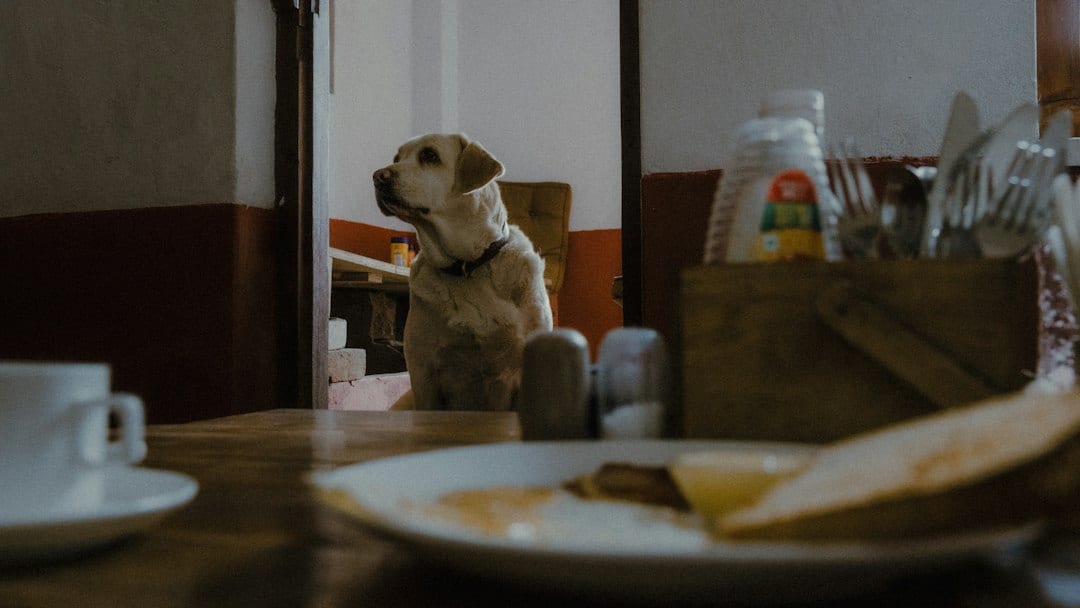
Thanksgiving falls on November 26 this year, and for many Antelope Valley families, that means a full house, a long table and a pet begging underfoot.
It is also a risky time for curious pets, because rich food, open trash cans and distracted hosts are a bad mix.
A little planning before the guests arrive can keep your dog or cat out of the emergency room.
Start with the ASPCA's list.
The ASPCA maintains a page of people foods to avoid feeding your pets, and several items on it show up at nearly every holiday meal.
The page does not single out turkey or stuffing by name, but the ingredients inside those dishes are on the list.
Onions, garlic and chives.
These are in stuffing, gravy, green bean casserole and half the side dishes on the table.
The ASPCA says allium species can cause gastrointestinal irritation and red blood cell damage, which can lead to anemia.
That means a spoonful of stuffing is not a harmless treat.
Grapes and raisins.
Raisins hide in salads, stuffing and desserts.
The ASPCA lists grapes and raisins among foods to avoid, and notes that tartaric acid is speculated to be the toxic component.
Because the exact cause is not settled, the safe approach is to keep them away from pets entirely.
Chocolate, coffee and caffeine.
Holiday desserts and after-dinner coffee are easy for a curious dog to reach on a low table.
The ASPCA lists chocolate, coffee and caffeine among the foods pets should not have.
Keep cups, plates and desserts out of reach, and clear them as soon as people finish.
Xylitol.
Xylitol is a sugar substitute found in some sugar-free gum, baked goods and candy.
The ASPCA says it can cause low blood sugar and potentially liver damage, depending on the amount ingested.
If a guest leaves a purse or coat on the floor with gum inside, a dog can find it fast.
Ask visitors to hang their bags up high or keep them in a closed room.
Bread dough and alcohol.
The ASPCA warns that yeast dough can rise and cause gas to accumulate in a pet's digestive system.
If you have rolls rising on the counter, keep them somewhere your pets cannot reach.
The ASPCA also says alcoholic drinks and foods containing alcohol can cause vomiting, diarrhea, incoordination, difficulty breathing, tremors and even death.
Guests' unattended glasses are an easy mistake, so keep drinks off the floor and low tables.
Bones, fat and table scraps.
The ASPCA says feeding raw bones can be dangerous for a domestic pet, and it flags rich foods such as nuts for the vomiting, diarrhea and pancreatitis they can cause in some pets.
Many veterinarians also warn against giving pets cooked poultry bones, since they can splinter, so ask your own vet what is safe.
A few small bites of plain, cooked, unseasoned turkey may be fine for some pets, but check with your veterinarian first, especially if your dog or cat has a sensitive stomach.
The safest holiday treat is a bit of their regular food, or a pet-safe chew you already know they tolerate.
Make a plan for guests.
Tell family and friends the rules before dinner, including no feeding the dog from the table.
Kids are especially generous with scraps, so give them a pet-safe treat to hand out instead.
Give your pet a quiet room with water, a bed and a chew toy if the noise gets to be too much.
Antelope Valley wind can blow open doors and gates on a busy day, so make sure nobody leaves a door ajar while carrying in dishes.
A frightened pet that slips out during a party is another holiday emergency, so keep your pet's microchip information and ID tag current.
Secure the trash.
Turkey carcasses, string, foil and wrappers are all hazards, and a dog can get into a kitchen trash can in seconds.
Take the trash out right away, and use a can with a tight lid or keep it behind a closed door.
Cats can also be tempted by string from a roast or by ribbon from decorations, so pick those up as well.
If your pet eats something dangerous.
The ASPCA's advice is to note the amount ingested and contact your veterinarian or poison control right away.
The ASPCA Poison Control phone number is (888) 426-4435, and the organization says it is available 24 hours a day, 365 days a year.
The ASPCA notes that a consultation fee may apply, so ask about it when you call.
Do not wait for symptoms, because some poisonings take hours to show up.
Our guide to emergency vet care in the Antelope Valley explains where to find after-hours help, and holiday hours can be limited, so save the number before the big day.
A safe and happy holiday.
With a few precautions, your dog or cat can share in the day without ending up at the vet.
Keep the dangerous foods off the table and out of reach, remind your guests of the rules and keep that poison control number somewhere you can find it.
Helpful links
ASPCA: people foods to avoid feeding your pets, with the full list of risky foods.
ASPCA Poison Control, the 24/7 animal poison helpline.
Emergency vet care in the Antelope Valley, our guide to after-hours help. |
0 Comments
Join the conversation
Be the first to comment
Share your thoughts above.