Trivia Question❓What annual Antelope Valley event, held at the fairgrounds in Lancaster, California, regularly features open horse show competitions that draw equestrians from across the Mojave Desert region? Answer at the bottom of the newsletter |
If you're looking to add a four-legged family member, Amazing Dogs Rescue has an event worth marking on your calendar. The organization is hosting a puppy and rescue dog adoption event at a Petco location in Santa Clarita, California, giving local animal lovers a chance to meet adoptable dogs in person.
Amazing Dogs Rescue is a 501(c)(3) nonprofit organization dedicated to finding loving homes for rescued dogs of all breeds and ages. Events like this one are a cornerstone of their mission, bringing the dogs directly to the community and making the adoption process as accessible as possible.
Whether you've been considering a playful puppy or a more seasoned rescue companion, in-person adoption events offer something no website profile can fully replicate — a real, tail-wagging introduction. You get to spend time with the animals, ask questions, and get a genuine sense of a dog's personality before making a commitment.
The organization works across Southern California and encourages not just adoption, but also fostering, volunteering, and financial support. For those not quite ready to adopt, fostering provides a temporary home for a dog in need — and it often leads to a permanent bond.
Amazing Dogs Rescue can be reached by phone Monday through Sunday, 8 a.m. to 8 p.m., making it easier than most nonprofits to get your questions answered before or after an event like this one. If you're in the Santa Clarita area or willing to make the trip, this is a wonderful opportunity to meet rescue dogs who are ready for their next chapter. Adoption saves lives — and events like this one make it simple to take that first step.
For those who can't attend but still want to help, the organization also accepts donations and financial fostering, which directly supports the medical care and housing of dogs awaiting adoption. Every contribution, large or small, keeps the rescue running and the tails wagging. |
| Read More... |
 |
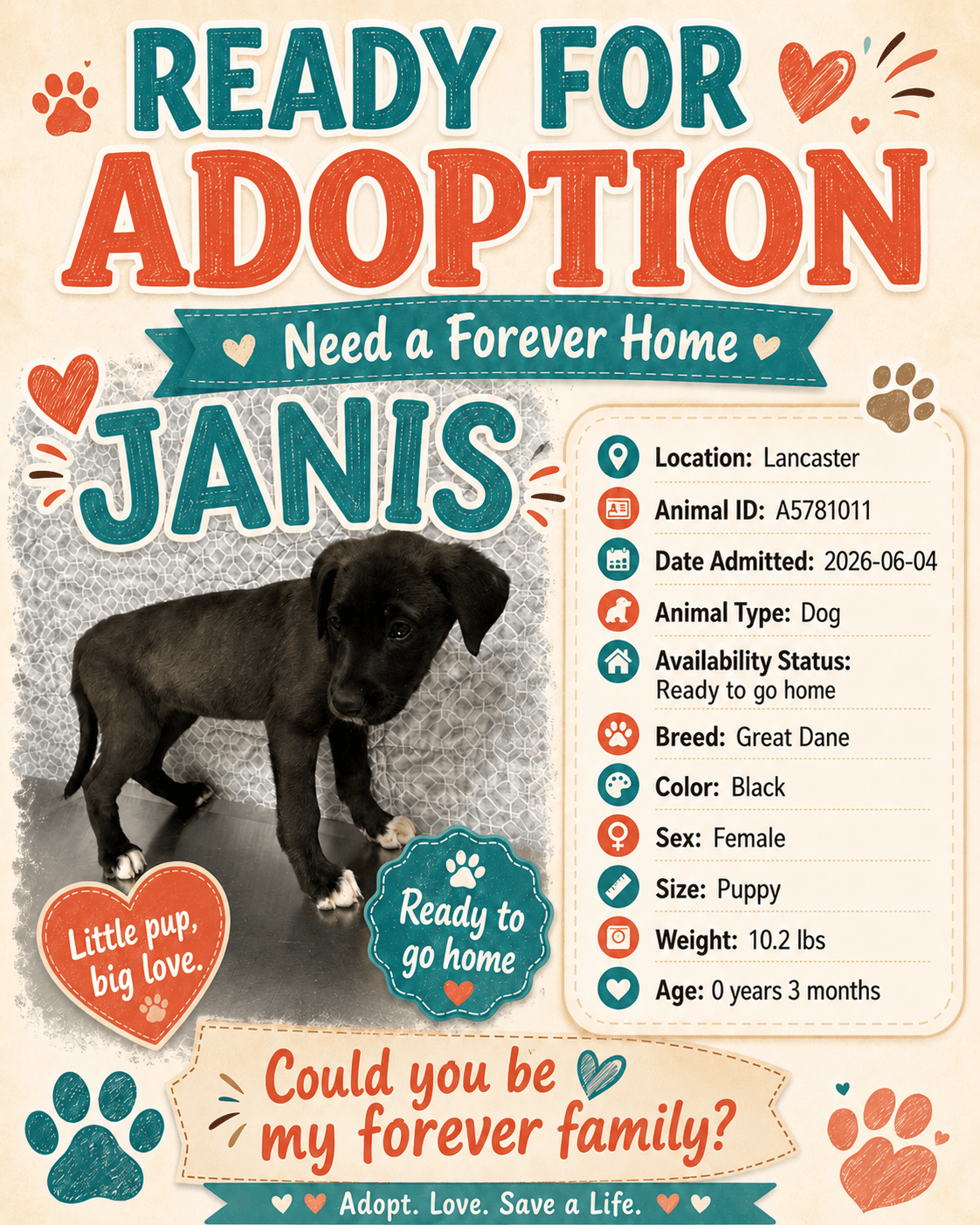
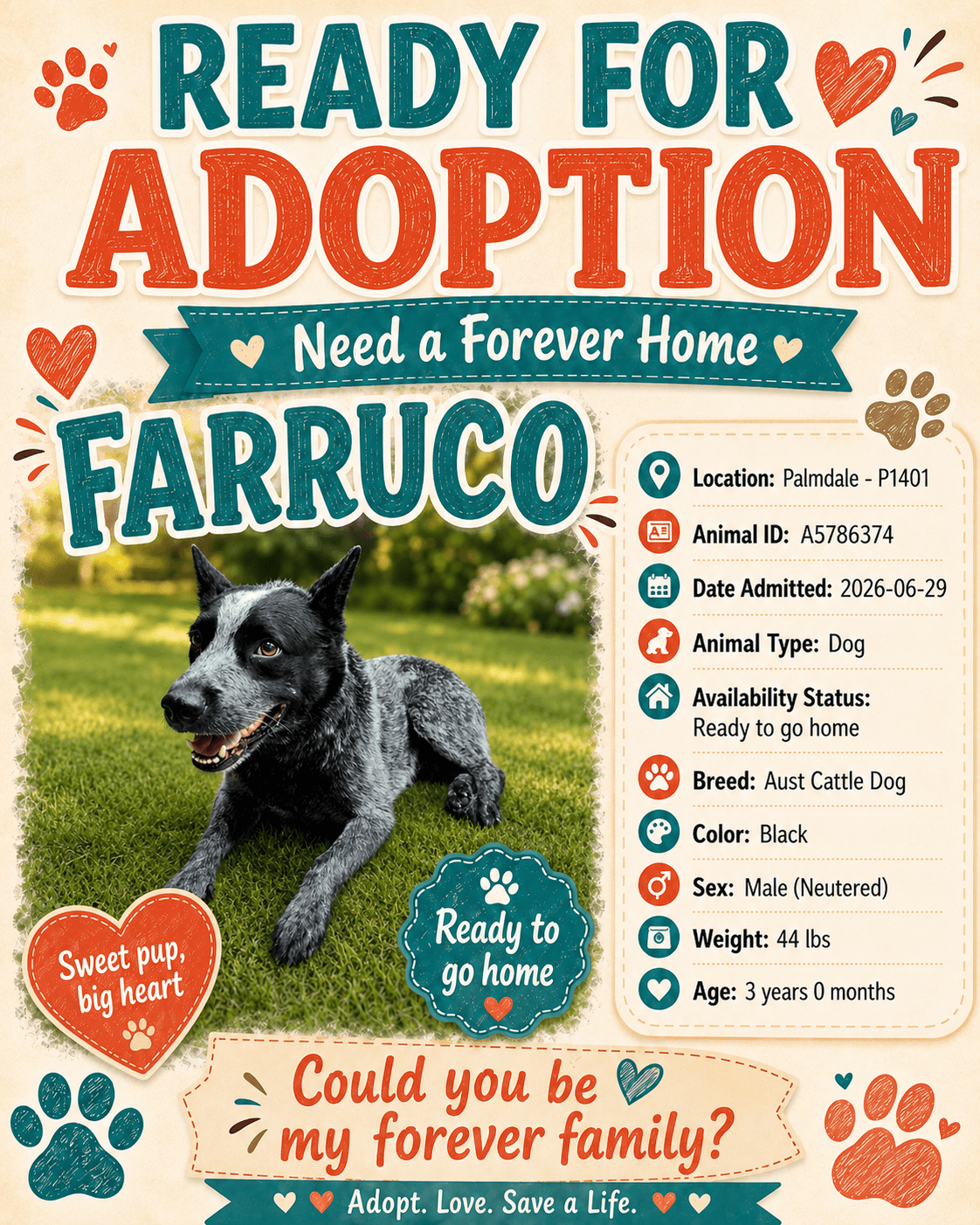
Adoptable Dogs in the Antelope Valley |
 |
 |
What to know before adopting a rescue dog |
Adopting a dog from a rescue shelter is one of the most rewarding decisions you can make — but going in prepared makes all the difference for both you and your new companion.
Understand the process before you visit. Most shelters require an application, and many conduct a brief interview or home check to ensure a good match. This is not a barrier — it is a sign that the shelter genuinely cares about where its animals end up.
Be honest about your lifestyle. Shelters ask about your living space, activity level, work schedule, and whether you have other pets or children for good reason. A high-energy dog placed with a sedentary owner, or a timid dog placed in a chaotic household, can struggle badly. The more truthful you are, the better the match staff can recommend.
Know that first impressions can be misleading. A shelter environment is stressful for dogs. Some become withdrawn and quiet; others become overly excitable or anxious. The dog you meet in a kennel may look and behave quite differently once settled in a calm home. Ask shelter staff about the dog's known history and temperament outside the kennel.
Ask questions — lots of them. Find out as much as you can about the dog's background, any known medical conditions, behavioral quirks, and how it gets along with other animals. Many rescue dogs come with some history, even if it is incomplete. Understanding what you are working with helps you plan appropriately.
Prepare your home in advance. Before bringing your new dog home, set up a quiet, comfortable space where it can decompress. Have food, a collar, a leash, a crate if needed, and a vet appointment already lined up. A smooth first day reduces stress for everyone.
Expect an adjustment period. Rescue dogs often need weeks — sometimes months — to fully settle in. Experts sometimes call this the three-three-three rule: roughly three days to decompress, three weeks to learn routines, and three months to truly feel at home. Patience is not optional; it is essential.
Budget for ongoing care. Adoption fees are typically modest, but veterinary costs, food, training, and supplies add up. Make sure you are financially ready for the long term, not just the excitement of day one.
Rescue dogs have so much love to give. Meet them where they are, give them time, and the bond you build will be extraordinary. |
Interesting Facts |
The high desert of the Antelope Valley holds some surprising truths about the animals that share it with its human residents.
|
Joke Of The Day |
A horse, a dog, and a cat were all asked what they love most about living in the Antelope Valley.
The horse said, "The wide open trails." The dog said, "The big yards to run in." The cat looked around at the vast Mojave Desert stretching endlessly in every direction and said, "Finally — a litter box to scale." |
 |
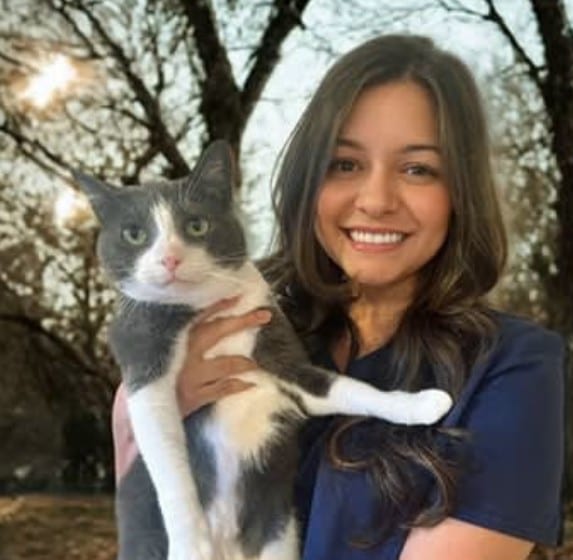
Dr. Karina Quiroz has known she wanted to be a veterinarian since kindergarten — and decades later, that childhood dream is very much a reality.
A Southern California native who grew up in the high desert, Dr. Quiroz is now practicing close to home, bringing both personal roots and professional expertise to her community. She earned her Bachelor's degree in Animal Science from Cal Poly Pomona before going on to complete her Doctor of Veterinary Medicine degree at Western University of Health Sciences.
While Dr. Quiroz is passionate about caring for all animals, she has developed a particular appreciation for feline medicine — a specialty that feels fitting given her own household. At home, she shares her space with two cats: Graycie, described as a sweet gray tuxedo, and Stella, a tiny but notably spicy calico.
Outside the clinic, Dr. Quiroz leads a richly creative life. She enjoys gardening, painting, cooking, and baking — pursuits that reflect the same care and attention she brings to her patients.
Her story is a reminder that some callings announce themselves early, and the most fulfilling careers are often the ones we first imagined as children. For the animals and pet owners she serves, having a veterinarian driven by genuine lifelong passion is something worth celebrating. |
| Read More... |
 |
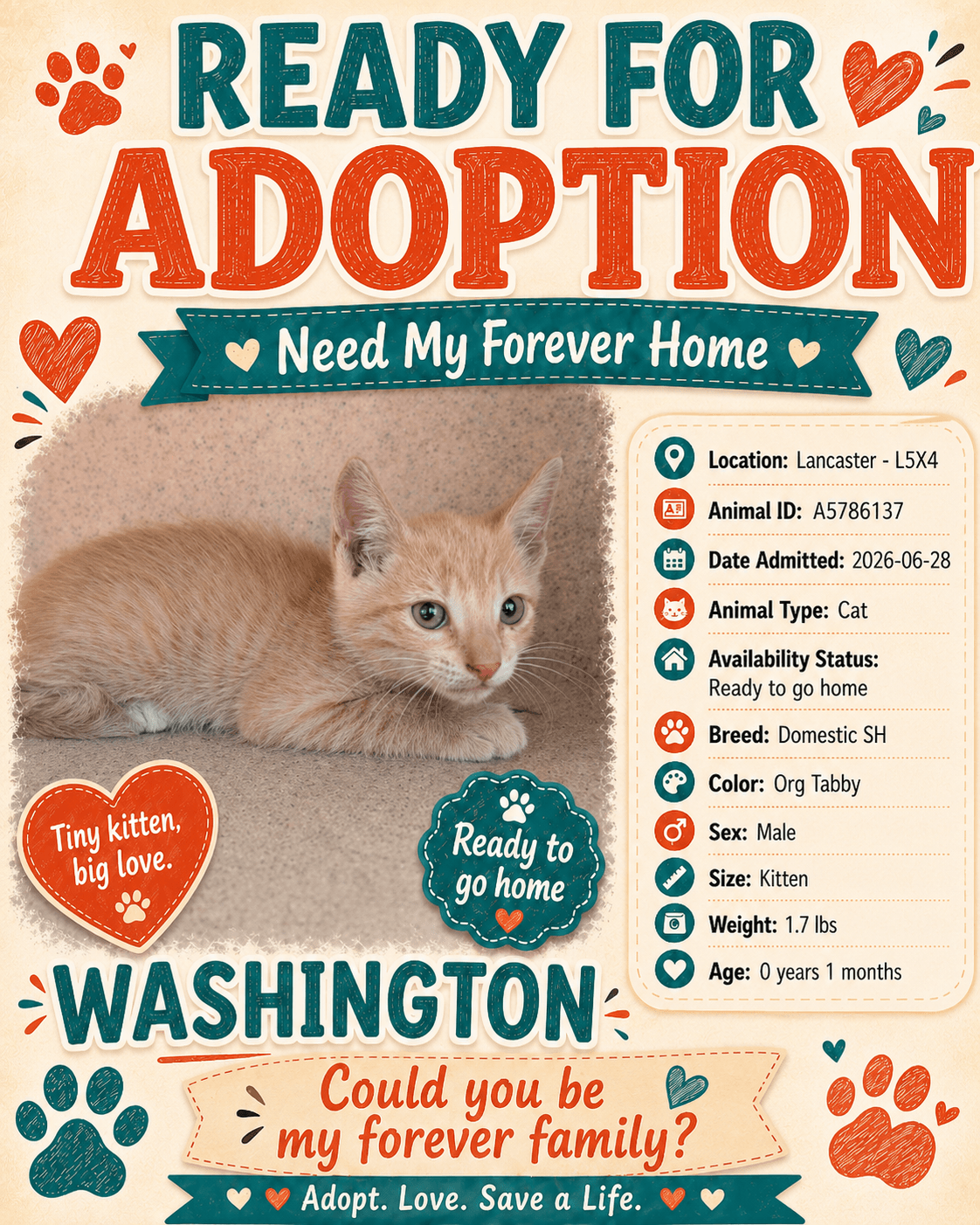
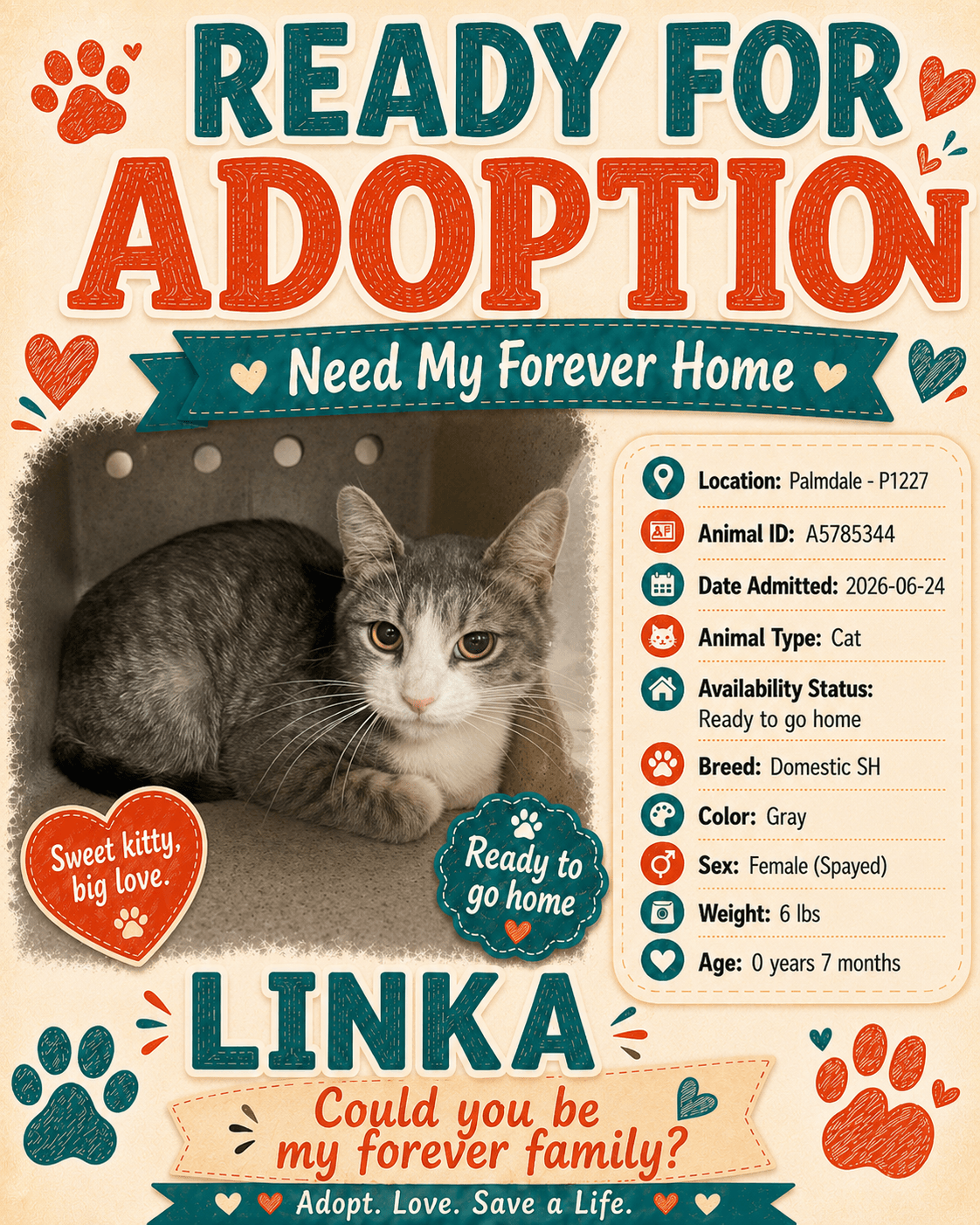
Adoptable Cats in the Antelope Valley |
 |
 |
This newsletter sponsored by |
Sponsor Spot |

HyperLocal Solutions helps Antelope Valley businesses find and fix the revenue leaks that keep them from growing. From local visibility and lead capture to CRM follow-up, reviews, newsletters, and AI automation, HLS builds practical systems that help local businesses attract more customers, convert more leads, and keep more of the revenue they are already working hard to earn.
Take the first step with the Revenue Leak Quick Scan and see what may be holding your business back. |
|
|
Caring for Your Small Animal During the Hot Summer in the Antelope Valley |
Summer heat in the Antelope Valley can come on fast, and small animals often feel the impact sooner than people realize. Dogs, cats, rabbits, guinea pigs, birds, reptiles, and other companion animals all need extra attention when temperatures climb. What feels uncomfortable to us can become dangerous for them very quickly.
The first rule is simple: never leave an animal in a parked car. Even with the windows cracked, the temperature inside a vehicle can rise rapidly. A quick errand can turn into a life-threatening situation. If your pet cannot go inside with you, it is safer to leave them at home.
For dogs, pavement is another major summer concern. Asphalt, concrete, and even packed dirt can become hot enough to burn paw pads. Walk dogs early in the morning or later in the evening when the ground has cooled. A quick test is to place the back of your hand on the pavement for several seconds. If it is too hot for your hand, it is too hot for your dog’s paws.
Outdoor pets need constant access to clean water and shade. Water bowls should be checked often because they can tip, evaporate, or heat up in the sun. Shade should move with the sun, so make sure animals have a cool area available throughout the day, not just in the morning.
Cats may hide in warm sheds, garages, under vehicles, or in quiet corners when stressed by heat. Check these areas before closing doors or starting vehicles. Indoor cats should also have cool spaces away from direct sunlight.
Small mammals such as rabbits and guinea pigs are especially vulnerable to heat. They should never be left in direct sun or poorly ventilated areas. Watch for signs of overheating, including heavy breathing, weakness, drooling, lethargy, or lying stretched out and unresponsive.
Birds and reptiles also need temperature control. Cages, tanks, and enclosures placed near windows can overheat quickly. Make sure habitats stay within the proper temperature range for the species. Know the warning signs of heat distress: excessive panting, drooling, weakness, vomiting, bright red or pale gums, confusion, collapse, or seizures. If you see these symptoms, move the animal to a cooler area, offer water, and contact a veterinarian immediately.
In the AV, summer animal care is not optional. A little planning can prevent suffering and help pets stay safe, healthy, and comfortable through the hottest months. |
 |
Equine Vet Spotlight: Dr. Rachael Ostrom Sachar |
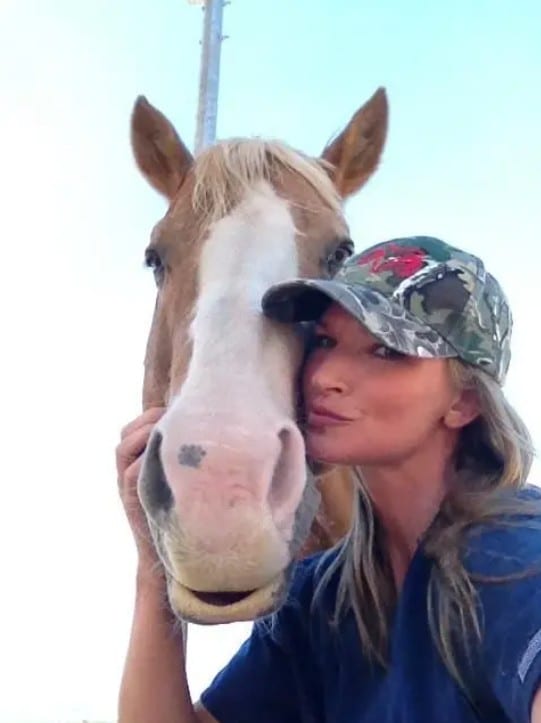
Dr. Rachael Ostrom Sachar’s path into veterinary medicine began with deep roots in animals, education, and community. Raised on a small hobby ranch in Santa Clarita, she grew up surrounded by the values that continue to shape her work today. Her parents, Dennis and Susan, and her sister, Skye, helped foster a family culture built around service, learning, and responsibility. With a retired engineer for a father, a retired nurse for a mother, and a science teacher for a sister, education was always part of everyday life.
Her family was also deeply involved in the Santa Clarita Valley community. From city government and school boards to 4-H, wilderness preservation, trail protection, development issues, and education-focused committees, public service was not just talked about — it was lived. That background helped shape Dr. Sachar’s strong belief in showing up for the people, animals, and communities she serves.
Today, Dr. Sachar brings that same commitment to her work as a veterinarian. She is passionate about helping clients meet their animals’ medical needs, whether that means routine veterinary care, a late-night emergency, or support for sports-related injuries and rehabilitation. Her approach reflects both professional skill and genuine personal dedication.
Continuing education and volunteer opportunities have also played an important role in her career. Those experiences have allowed her to travel around the world while staying on the cutting edge of veterinary medicine. She also enjoys mentoring students of all ages, speaking at schools, and helping clients better understand how to care for their animals. |
This newsletter sponsored by |
Sponsor Spot |

Twin Oaks Equine Veterinary Services provides mobile equine and large animal veterinary care for horse owners throughout the greater Los Angeles area, Santa Clarita Valley, and Antelope Valley. Since 2012, Twin Oaks has served the medical needs of horses and large animals with a strong focus on quality care, client education, and keeping horses healthy, sound, and performing at their best.
From routine preventative care to emergency support and advanced lameness diagnostics, Twin Oaks brings expert veterinary care directly to the barn, ranch, or stable. Their team specializes in the performance horse industry and understands that injured horses should not always have to travel long distances to receive skilled medical attention. With advanced diagnostic equipment available in the field, Twin Oaks is able to evaluate and support horses where they are.
Whether your horse needs ongoing wellness care, help with an injury, emergency attention, or guidance on prevention and nutrition, Twin Oaks Equine Veterinary Services is committed to supporting both horse and owner with knowledgeable, responsive care.
Equine emergency? Call Twin Oaks right away at 661-575-5330. |
|
Q/A Questions |
The dog and the horse share a rare gift: they ask nothing of the land except to run across it — and in doing so, they remind us why open country is worth keeping. — Verlyn Klinkenborg |
Quote Of The Day |
The dog and the horse share a rare gift: they ask nothing of the land except to run across it — and in doing so, they remind us why open country is worth keeping. — Verlyn Klinkenborg |
💡 Answer to Trivia Question: The Antelope Valley Fair |