Welcome to This Week's AV Paws & Hooves |
The high desert is turning the corner toward winter. Afternoons still feel like fall, but the nights are getting colder, and anyone who has lived in the Antelope Valley for a winter knows how fast a mild evening can drop below freezing.
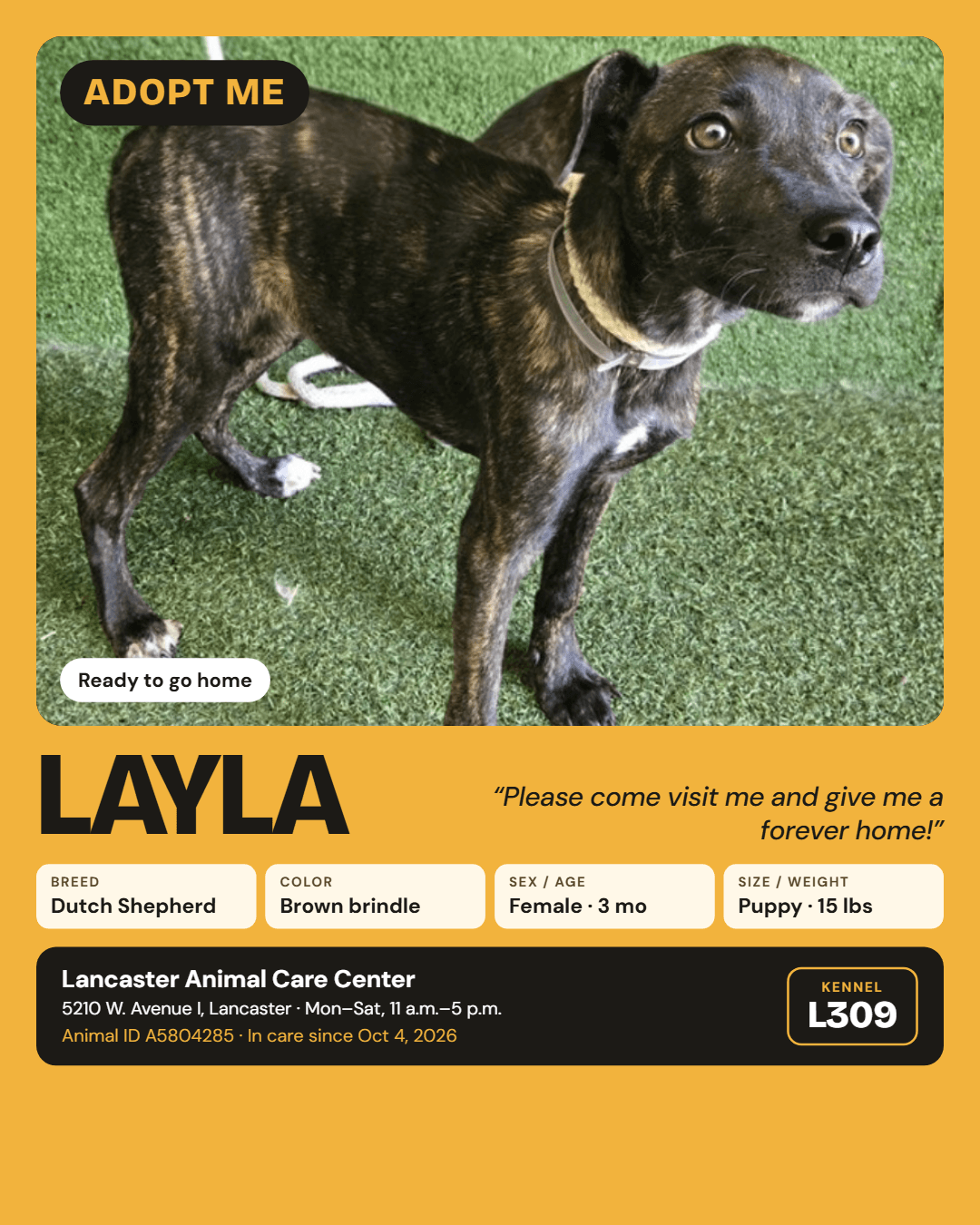
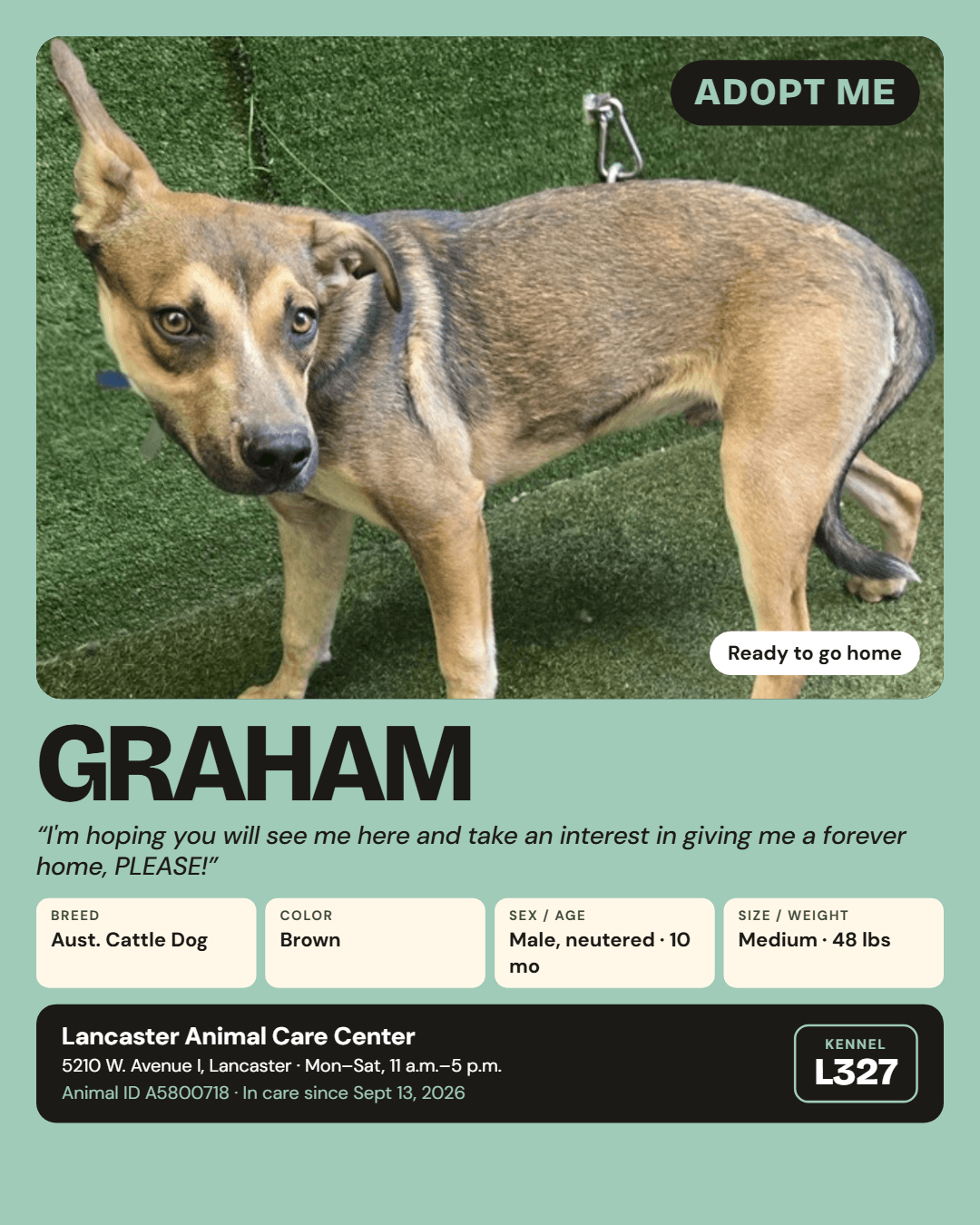
This week we're getting ready for the cold: how to keep pets safe on freezing nights, why antifreeze is so dangerous, how to keep horses drinking through fall to head off colic, and what's going on with your molting hens. Plus, meet two shelter pups looking for homes, a local sanctuary that takes in the animals other shelters can't, and a Palmdale animal hospital that cares for birds and reptiles as well as dogs and cats. |
Trivia Question❓Which threatened animal, native to the Mojave Desert and found in parts of the Antelope Valley, is California's official state reptile? Answer at the bottom of the newsletter |
 |
A sanctuary for the ones other shelters can't take Some animals come into rescue with birth defects, disabilities or long-term medical needs that most shelters simply aren't set up to handle. For many of them in our area, Josh and His Critters is where the story changes.
Founder Tina Marie Lythgoe runs the nonprofit rescue, rehabilitation center and sanctuary on a simple belief: everything with a heartbeat deserves a chance. The rescue is named for Josh, a newborn Westie mix with a cleft palate who was expected to be euthanized until Tina said yes and bottle-fed him to health.
Today the sanctuary cares for dogs, cats, goats, pigs, rabbits, birds and more, and other shelters call when they're out of options. It runs on community support, so donations, follows and shares all make a real difference. Our full story on the rescue is coming to the site soon.
Still Adopt a Shelter Dog Month October isn't over. The Lancaster Animal Care Center (5210 W. Avenue I) and Palmdale Animal Care Center (38550 Sierra Highway) are open for adoptions Monday through Saturday, 11 a.m. to 5 p.m. Browse adoptable animals on the LA County adoption search. |
 |
 |
 |
Getting pets ready for freezing desert nights AV afternoons can feel mild well into winter, but once the sun drops, temperatures can slide below freezing, and our wind makes it feel colder still. A few habits go a long way:
Antifreeze: the danger that tastes sweet Antifreeze made with ethylene glycol tastes sweet to animals, and a very small amount can cause fatal kidney failure in a dog or cat. Wipe up spills in the garage and driveway right away, keep containers sealed and out of reach, and consider a propylene glycol product, which is less toxic. Early signs look like drunkenness: wobbling, vomiting, extreme thirst. Treatment works best within hours, so get to a vet immediately if you even suspect your pet drank some.
Poison help is available around the clock from the ASPCA Animal Poison Control Center at (888) 426-4435 and Pet Poison Helpline at (855) 764-7661. A consultation fee may apply.
Windy days and Valley Fever Fall wind kicks up desert dust, and with it the spores that cause Valley Fever. Dogs that dig and sniff in the dirt are especially exposed. Watch for a cough that won't quit, fever, low energy or weight loss, and limit dust exposure on windy days for pets and horses alike. |
 |
Horse owners: fall is colic season Vets see colic calls rise every autumn, and most cold-weather cases are impaction colic, tied to horses not drinking enough. Cooler nights make a trough less inviting, and dry hay carries far less moisture than anything green.
Pawing, rolling, sweating, looking at the belly, fewer manure piles or skipping dinner all mean it's time to call your vet. Pull the feed and don't give medication unless your vet says to.
Backyard flocks and goats If your hens have slowed down, shorter days are the likely reason: most hens lay steadily only with around 14 hours of light. Fall is also molting season, when ragged-looking birds drop old feathers and grow new ones. It's normal, egg production usually pauses, and a higher-protein feed helps them regrow feathers faster.
Keep coops dry and draft-free but vented up high, tie down roofs and run covers before the next big wind, and lock birds in at dusk as predators get bolder. Goats handle dry cold well but hate wet and wind, so give them a three-sided shelter facing away from the wind, deep dry bedding, plenty of good hay to keep their internal furnace running, and water that stays unfrozen. |
 |
Got an animal event coming up? Halloween adoption days, costume contests, horse shows, vaccine clinics, rescue fundraisers and barn open houses are all welcome. If it involves animals and it's happening in the Antelope Valley, we want to help spread the word.
Post your event here and we'll consider it for an upcoming issue.
Need shots before the holidays? LA County Animal Care & Control runs low-cost vaccine and microchip appointments at both AV care centers year-round. Book through the county's vaccination page. |
Interesting Facts |
A few things you might not know about the animals of the high desert:
|
 |
| ★★★★★ |
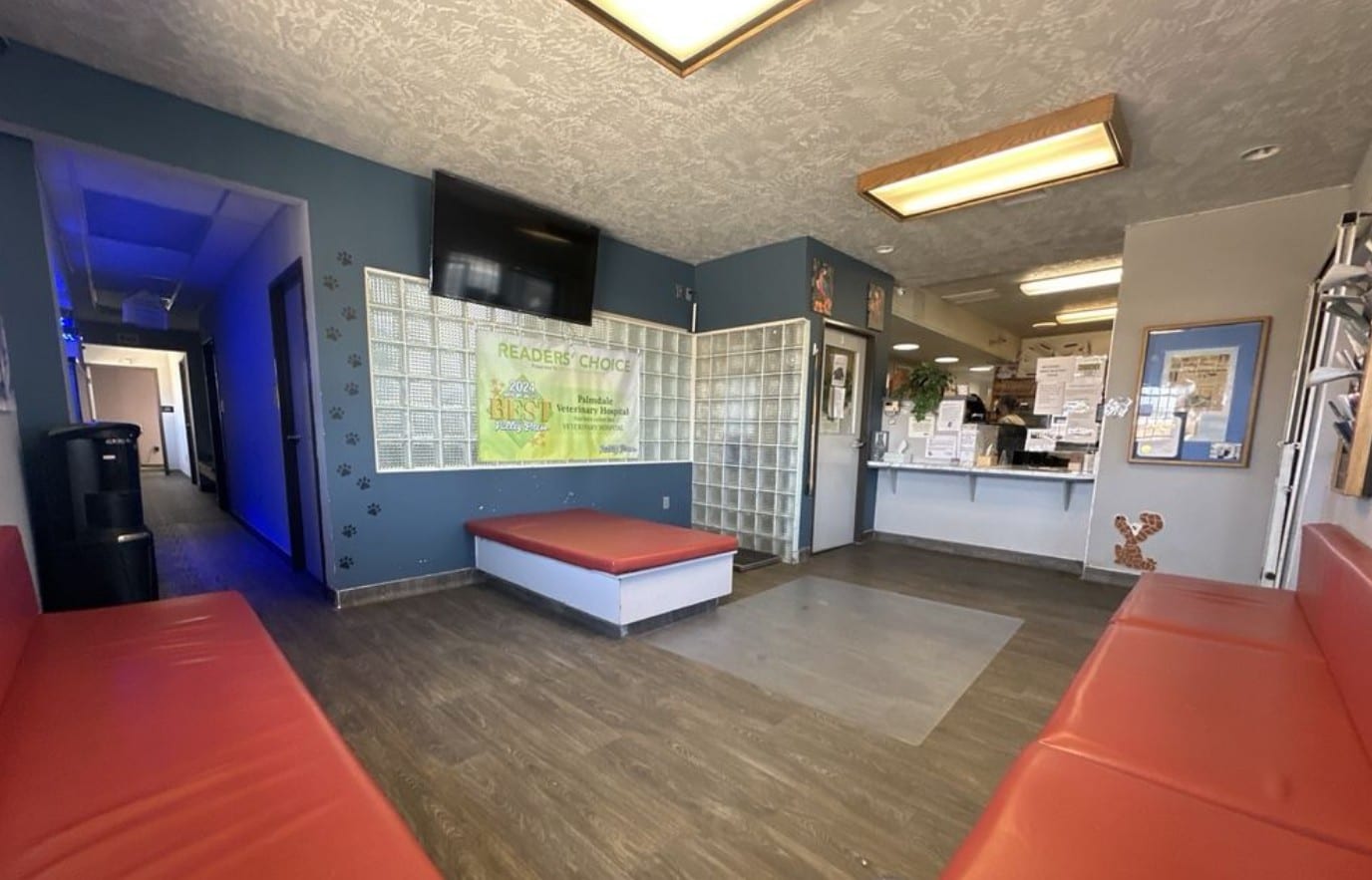
A full-service small animal hospital on 6th Street East, Palmdale Veterinary Hospital is accredited by the American Animal Hospital Association (AAHA), a voluntary review that checks everything from surgery and anesthesia to pain management and record keeping.
It doesn't stop at dogs and cats: the team also sees birds and reptiles, which can be hard to find care for in the AV. Services include wellness exams and vaccines, dentistry, surgery including spay and neuter, diagnostic imaging, dermatology, laser therapy and acupuncture.
Pet owners give it a 4.7-star rating on Google across more than 2,500 reviews. Reviewers often mention doctors who explain treatment options honestly, a kind and accommodating front desk, and compassionate care at the end of a pet's life. Some longtime clients say they've been bringing their animals here since the 1980s.
The hospital accepts CareCredit. With cold nights and the holidays ahead, it's a good time to get your pet's annual exam on the calendar. |
|
|
 |
💡 Answer to Trivia Question: The desert tortoise. It became California's state reptile in 1972 and is a protected species, so wild tortoises should never be picked up or taken home. |