
Backyard Chickens in Fall: An Antelope Valley Coop Care Guide |
Chicken molting, shorter days and goat winter care for small livestock keepers |
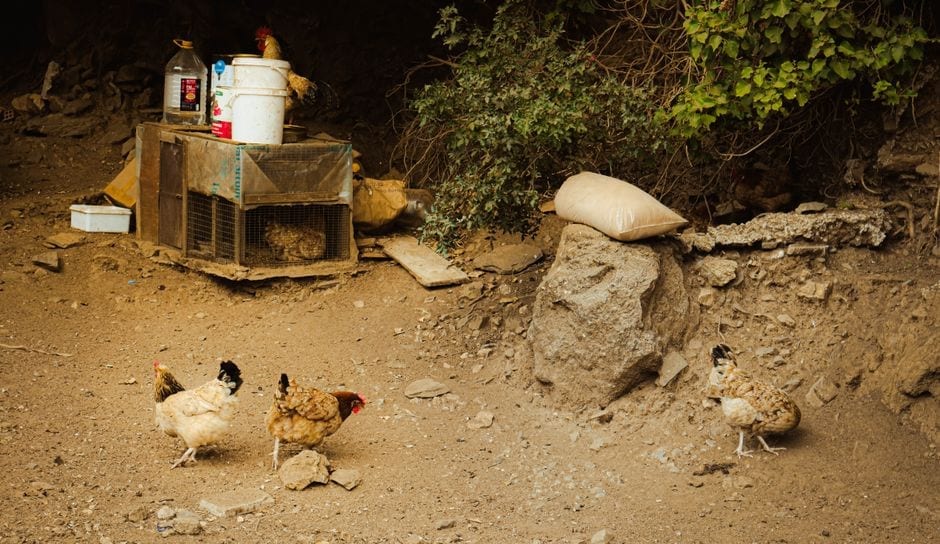
Across Acton, Littlerock, Lake Los Angeles and the rest of the high desert, backyard flocks and small goat herds are a way of life.
Fall is when those animals start telling you the season has changed, and a few adjustments now set them up for a comfortable winter.
Why the eggs slowed down.
If your hens have cut back on laying, shorter days are the most likely reason.
Egg production is tied to daylight, and most hens lay steadily only when they get around 14 hours of light a day.
Some keepers add a light in the coop to stretch the day, while others let hens rest naturally through winter, and either choice is reasonable as long as you understand the trade-off.
Molting is normal.
Fall is also molting season, when chickens drop old feathers and grow new ones.
A molting flock can look ragged and alarming, with feathers everywhere and hens that seem tired and a little grumpy.
It is a natural process, not a sign of illness on its own, and egg production usually pauses until the new feathers come in.
Feathers are made mostly of protein, so a higher-protein feed during the molt helps birds regrow them faster.
New pin feathers are tender, so handle molting birds as little as possible.
If a bird looks sick beyond the feather loss, with discharge, labored breathing or a sudden drop in weight, call a veterinarian who sees poultry.
Build the coop for wind and cold.
Chickens handle cold better than most people expect, but they need a dry, draft-free coop.
That does not mean airtight, because moisture from breath and droppings needs to escape, so keep vents high above the roost.
Antelope Valley wind is its own challenge, so tie down roofs, tarps and run covers before the next big blow.
Check waterers on cold mornings, since a frozen waterer leaves birds without water, and a heated base takes care of it.
Predators get bolder.
Coyotes, bobcats, raccoons and hawks are hungrier as natural food thins out, and a flock is an easy target.
Lock birds in at dusk, use hardware cloth instead of chicken wire, and bury or apron the edges of the run so diggers cannot get underneath.
Goats need shelter from wet and wind.
Goats tolerate dry cold well, but they dislike being wet and exposed to wind.
A three-sided shelter facing away from the prevailing wind, with deep, dry bedding, gives them a place to escape bad weather.
Good hay is a goat's furnace, because digestion in the rumen produces body heat, so make sure they have plenty of quality forage on cold nights.
Keep fresh water available and unfrozen, since goats that stop drinking can develop digestive problems.
A thick winter coat can hide weight loss, so feel along the spine and ribs every week or so instead of trusting your eyes.
Fall is also a smart time to trim hooves and ask your large-animal veterinarian about vaccines, parasite control and any winter kidding plans.
With dry shelter, steady water, good feed and solid predator protection, AV backyard flocks and herds can sail through the cold months. |
Helpful links
Backyard poultry resources from UC Agriculture and Natural Resources.
Predator awareness in the Antelope Valley, our guide to protecting flocks from coyotes and bobcats.
AVMA cold weather tips for livestock, including shelter, feed and water. |
0 Comments
Join the conversation
Be the first to comment
Share your thoughts above.