Valley Fever in Dogs: What Antelope Valley Owners Need to Know |
The early symptoms to spot and how to cut your pet's dust exposure on windy days |
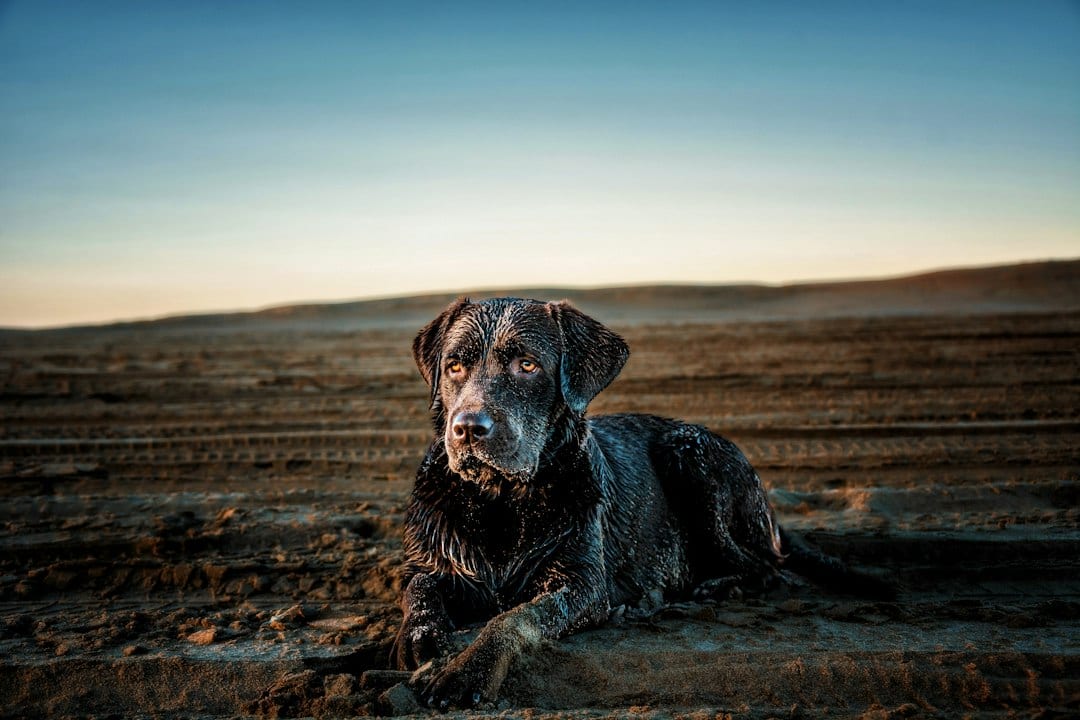
If your dog has picked up a dry, stubborn cough lately, Valley Fever belongs on your short list of possibilities.
The illness comes from a fungus that lives in desert soil, and its spores drift into the air whenever the ground gets stirred up by wind, digging or construction.
Here in the high desert, that happens a lot.
County health officials have long identified the Antelope Valley as one of the local hot spots for the fungus, alongside parts of the San Fernando Valley.
Dogs are especially vulnerable because they spend so much of their lives nose-down in the dirt.
Diggers, sniffers and dogs who roam open land face the most exposure.
The good news is that many dogs breathe in the spores and never get sick at all.
Others develop symptoms anywhere from a few weeks to many months later, which makes the cause easy to miss.
Watch for a dry cough, fever, low energy, a poor appetite or unexplained weight loss.
When the infection spreads beyond the lungs, the signs change, showing up as limping, swollen joints, back pain, skin sores or eye problems.
Your veterinarian can test for it with blood work, and X-rays sometimes help confirm the diagnosis.
Treatment is a real commitment.
Most dogs need antifungal medication for six months to a year, and some need it longer to keep the infection from coming back.
Caught early, the outlook is good, and most treated dogs recover.
The illness is not contagious, so an infected dog cannot pass it to other pets or to the people in your home.
A diagnosis is still worth mentioning to your own doctor, since everyone in the household breathes the same local dust.
Prevention comes down to limiting exposure.
Keep dogs off freshly disturbed dirt, discourage digging, and consider grass, gravel or pavers where they play.
On gusty days, bring pets inside and skip the dusty trail walk.
Horses can contract the illness too, so ranch owners should ask their vet about any cough that lingers.
For dogs, any cough that hangs on for more than a few days deserves a visit to an Antelope Valley veterinarian. |
Helpful links
About Valley Fever from the CDC, including how the fungus spreads and why it isn't contagious between people and pets.
AVMA seasonal animal safety tips for planning your pet's yearly wellness exam.
Predator awareness in the Antelope Valley, our guide to keeping backyard animals safe outdoors. |
0 Comments
Join the conversation
Be the first to comment
Share your thoughts above.